
Why African Stories Matter in Game Development
African stories are crucial in game development to diversify the global gaming landscape. They introduce untapped folklore, history, and mythology while challenging stereotypes. They offer genuine representation, allowing African players to see themselves in media, while also giving global audiences fresh, innovative, and culturally rich experiences. Our continent consists of a rich heritage that stretches back centuries, offering fresh narratives in a saturated global market. Our stories, or better yet, our history, are just as important to share on a global stage. Africans are proud of their stories and need to be heard… now.
Games act as a vessel, using modern tools to preserve traditions while blending them with technology, making folklore accessible to new generations. The youth benefit immensely from seeing their cultures, languages, and realities reflected in these games.
Reimagining Traditional Games for Gen Z and Gen Alpha
It requires shifting from passive, single-session play to immersive, social, and “forever” experiences within digital platforms. With over 90% of both generations playing games, this demographic treats gaming as a primary social hub rather than just a leisure activity. For 42% of Gen Alpha and 43% of Gen Z, gaming is the primary medium for connecting with friends. Traditional board games or sports are being reimagined within platforms like Roblox, where players gather to socialize, not just win.
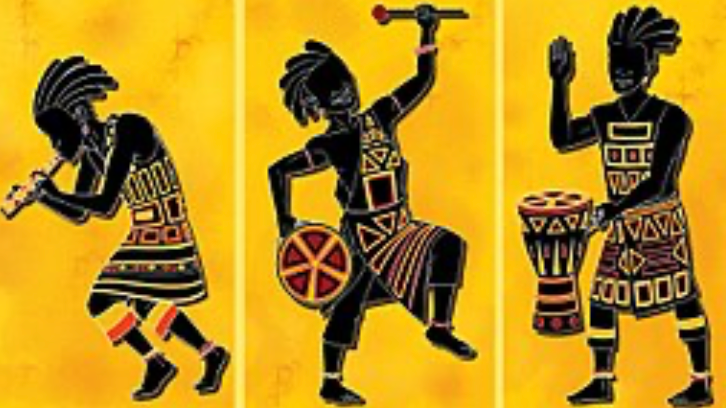
Photo cred: Pressbooks via Minnesota Libraries Publishing Project
Strategies for Reimagining Specific Traditional Game Types
Physical/Outdoor Games: Reimagined using AR (Augmented Reality) tools that turn neighborhoods into interactive scavenger hunts or tag experiences, similar to how Pokémon GO used geolocation to encourage activity.
Board Games & Strategy: Transformed into digital, multiplayer, and often 3D experiences, allowing for social interaction across global locations and offering customization (e.g., custom avatars).
Sports: Reimagined through AI-driven experiences that allow kids to watch animated, personalized replays, for example, a soccer game, or engage with branded virtual spaces like “Airtopia” on Roblox.
Who is responsible for keeping African stories alive within our families and communities?
The responsibility is not restricted to one group; rather, it is a communal duty. It ensures that family lineages are remembered across centuries and that African culture thrives despite modern challenges. As many oral stories risk being lost, deliberate modern efforts are required to document them and keep them relevant.

Photo cred: Jacalyn Wetzel on Upworthy
Here is a breakdown of who is responsible for preserving these stories:
1. Family and Elders
Elders in our families are considered living libraries and keepers of memory. They are essential for transmitting history, genealogies (lines of descent traced to a common ancestor), and moral lessons.
Women are often described as the backbone of cultural preservation, passing down language, rituals, and stories through matriarchal lines.
Parents and grandparents carry the responsibility of sharing stories of triumph, struggle, and tradition at home, helping instill a sense of belonging in the young.
2. Community Custodians
Griots (Jeli/Guewel), more prominent in West Africa, are professional oral historians, musicians, and performers who memorize and recite genealogies and epics (long poems derived from oral tradition that narrate the deeds of legendary figures).
In Mzansi (South Africa), traditional leaders and sangomas use storytelling in spiritual and communal rituals to maintain cultural continuity, especially in relation to ancestral veneration.
Community storytellers gather people, often around a fire or during events, to reinforce social values and teach moral lessons.
3. Modern Bearers of Tradition
Artists and cultural workers, including poets, authors, musicians (e.g., praise poets), and performers, keep traditions alive by adapting stories for new generations.
Educators and librarians play a key role through schools and community programs that promote indigenous knowledge and literacy.
Digital storytellers are a new generation of “digital griots” who use technology, podcasts, and social media to document and share stories, ensuring that African history is preserved.
The risks of cultural misrepresentation of African stories in game development
Misrepresentation often leads to African characters being portrayed as stereotypes, such as savages, victims, or sidekicks in Western-focused narratives. These portrayals are not harmless; they repeat colonial ideas that depict Africa as a place needing rescue by outsiders. This strips away the true depth, diversity, and strength of African people and cultures.
In games, this is evident in how African settings and characters are designed. Africa is often portrayed as dangerous or underdeveloped, and ;kits characters are rarely given meaningful roles or narratives. This shapes how players around the world perceive the continent.
To change this, African stories need to be told by African creators. When developers, writers, and communities lead storytelling, it results in more authentic, diverse, and powerful narratives that go beyond stereotypes.
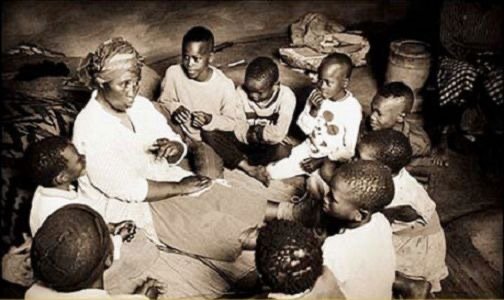
Photo cred: Zaccheus Onumba Dibiaezue Memorial Libraries
Africa has 54 countries and over 3,000 ethnic groups, yet it is often treated as a single culture. This oversimplifies the continent and ignores its unique stories, languages, and ways of life. Using sacred symbols or spiritual elements as simple game mechanics, such as turning traditional myths into generic magic, reduces their meaning and disrespects important cultural beliefs.
Stereotypical representations in media, including games, shape real-world perceptions, fostering misunderstanding rather than genuine awareness. These narratives can influence investment and social attitudes toward the continent. Continued underrepresentation and misrepresentation can also cause Black, Coloured, and Indian (BCI) players to experience anxiety, demotivation, and reduced immersion in games.
The misrepresentation of African culture does not happen in isolation; it influences how people perceive these cultures in real life and reinforces harmful stereotypes. It also perpetuates unequal power dynamics, where dominant cultures profit from simplifying marginalised cultures, sometimes described as a form of “cultural bullying.”
Modern games are platforms for minority African tribes to be showcased
Showcasing minority or indigenous African tribes in modern games requires more than superficial inclusion; it demands a shift from passive representation to active, authentic storytelling. This approach emphasises indigenisation (the process of adapting ideas to suit local cultures), where game content, design, and mechanics are rooted in lived experiences and cultural expression, rather than simply removing colonial influences.
This process begins by challenging long-standing stereotypes, such as the “Darkest Africa” trope, which reduces the continent to a static image of wilderness or danger. Instead, developers should explore the nuanced realities, histories, and philosophies of specific communities.
For example, a game could incorporate storytelling methods, rituals, or governance systems of the San people of Southern Africa or the Fulani pastoralists of West Africa, allowing players to engage with these cultures on their own terms.
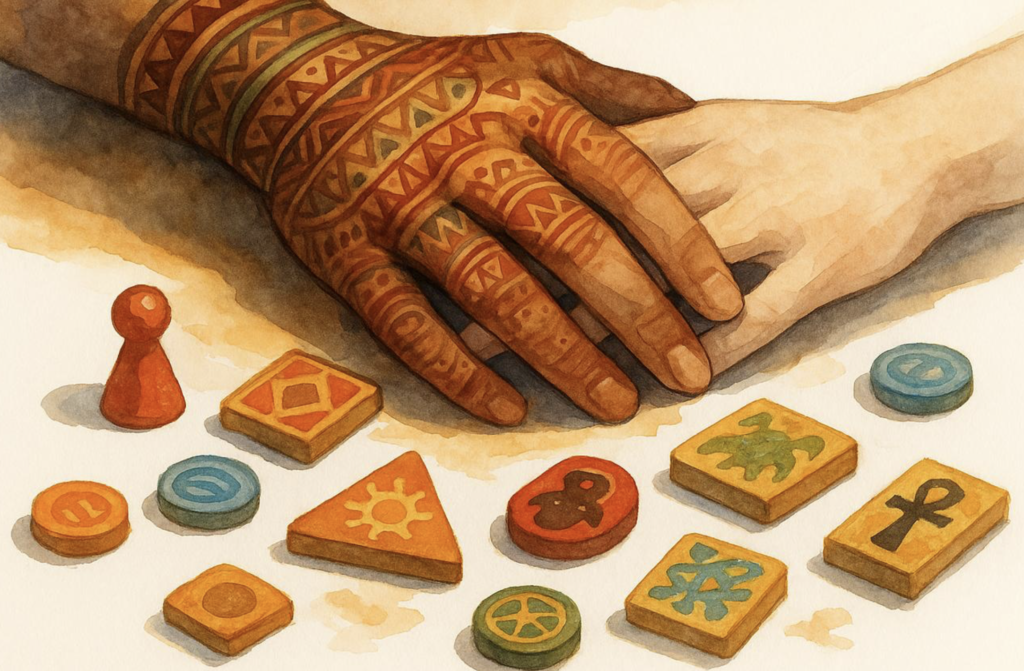
Photo cred: Minifiniti
In a rapidly globalising gaming industry, African stories are not just valuable, they are crucial. They offer a counter-narrative to long-standing stereotypes and misrepresentations, bringing authenticity, depth, and diversity to the global stage. By embracing the rich interconnectedness of African folklore, history, and traditions, game developers can create experiences that resonate with both local and global audiences while preserving cultural heritage for future generations.
. When African voices are given the spotlight, games become more than entertainment, they become vessels for cultural pride, education, and connection. They challenge outdated perceptions and inspire a new era of meaningful storytelling.
Our stories are just as important as anyone else’s.
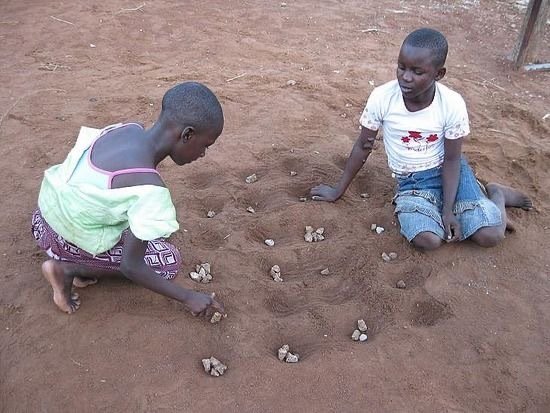
Photo cred: Mmofra Foundation
Credits
Writer and Researcher
Usenathi Mputumana
Edited By
Jessica Lethole
Proof Read By
Jessica Lethole
Web Designers
Mandisa Maphumulo