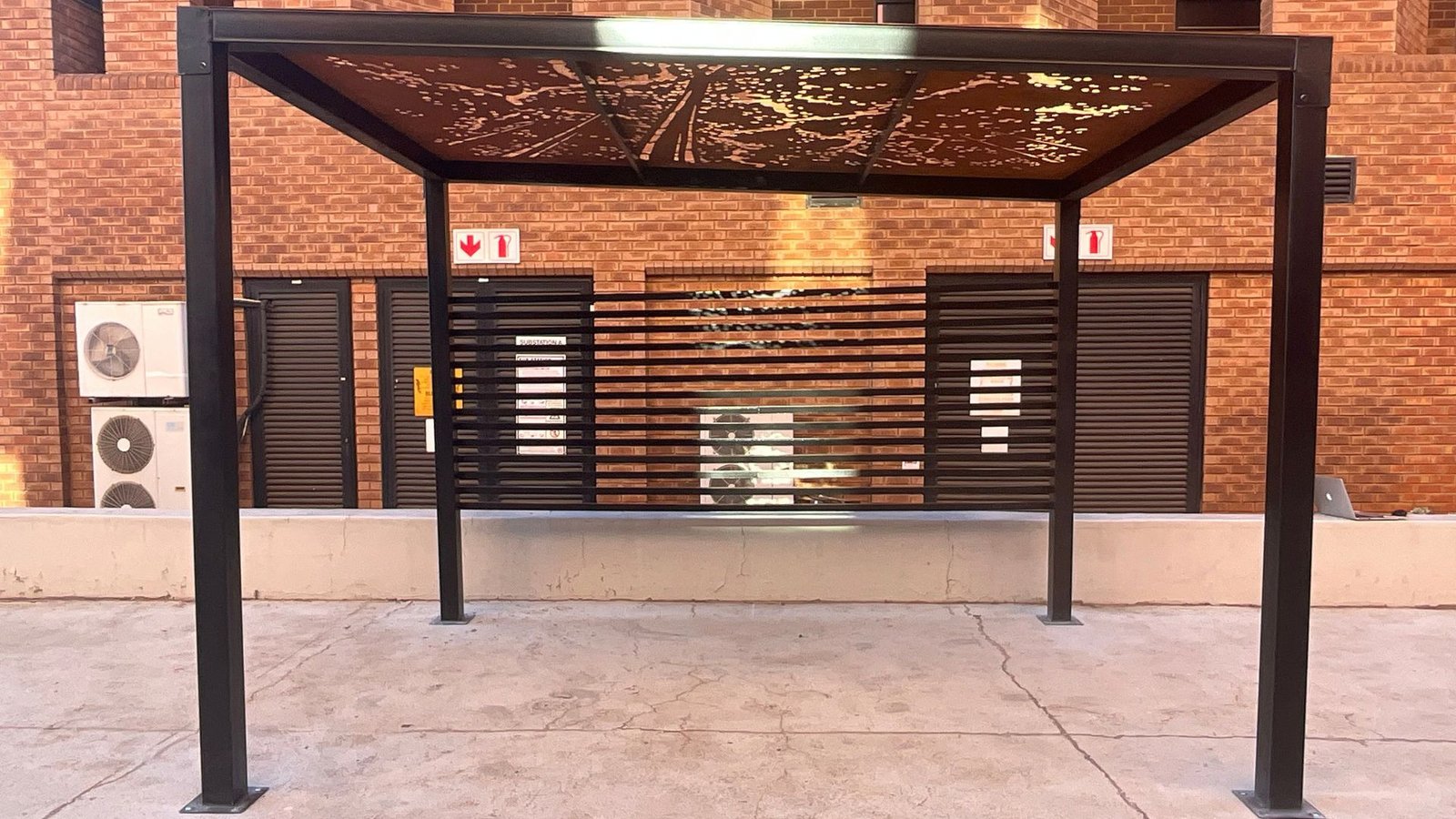
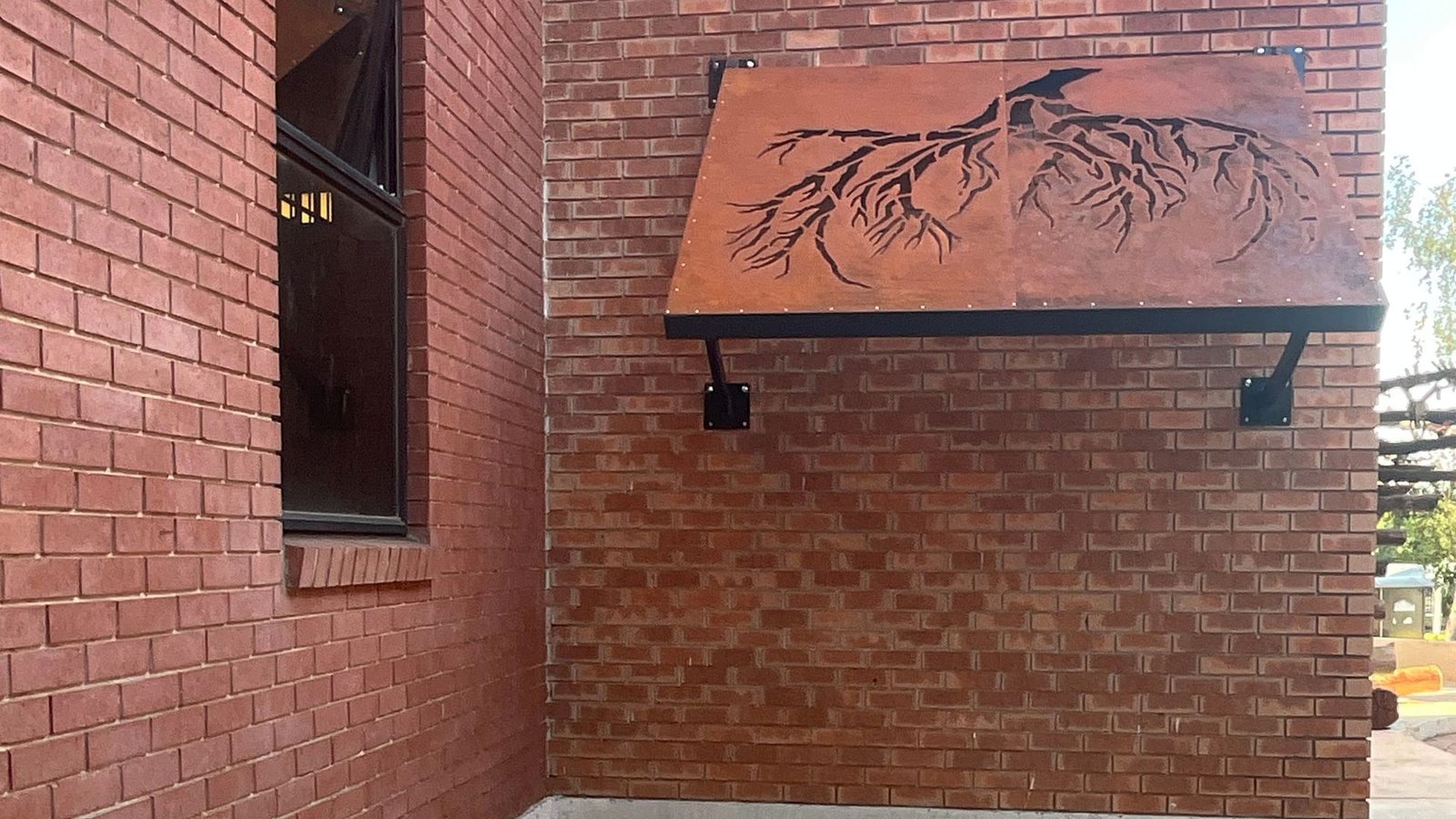
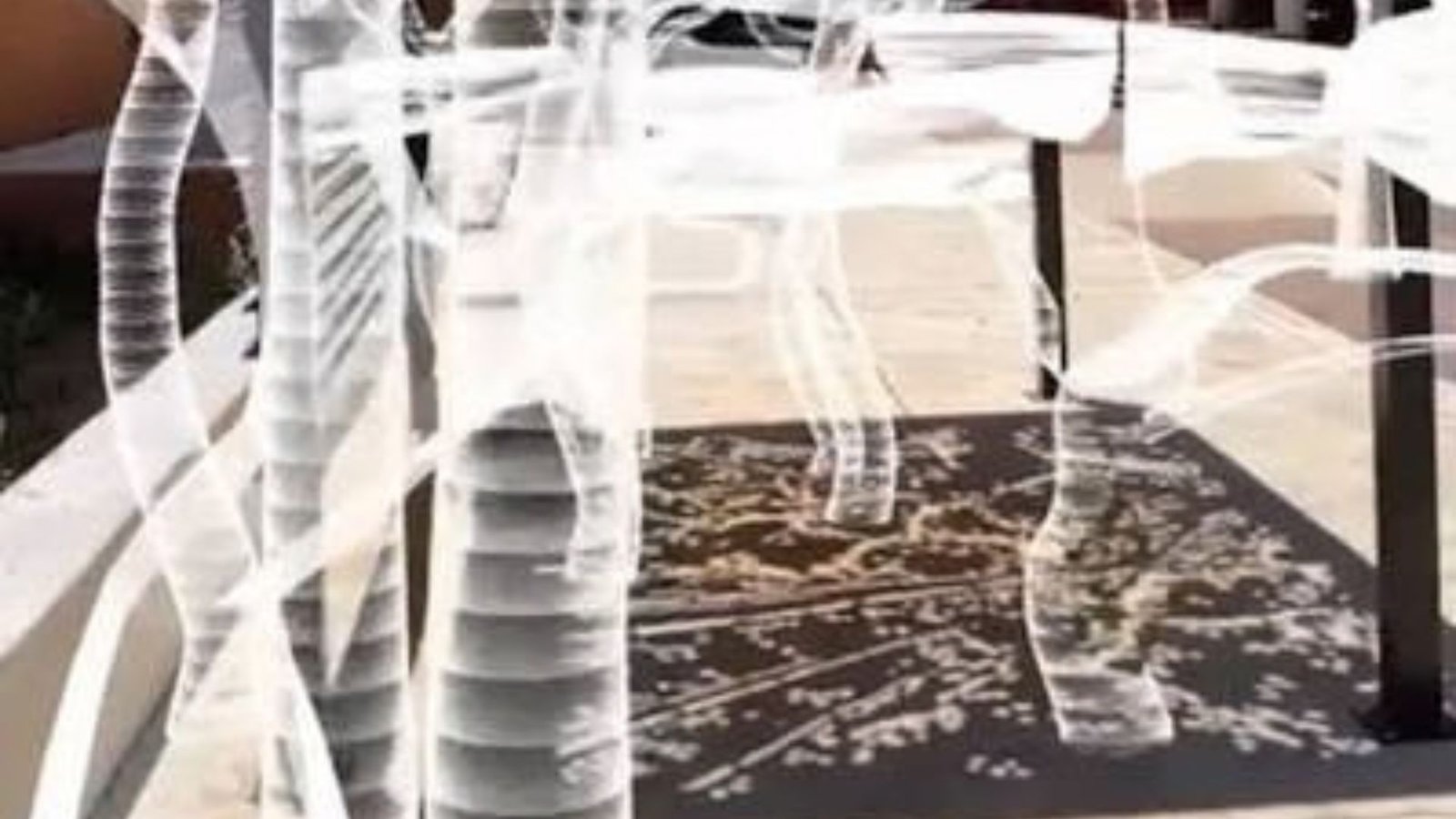
Summer & Winter Solstice
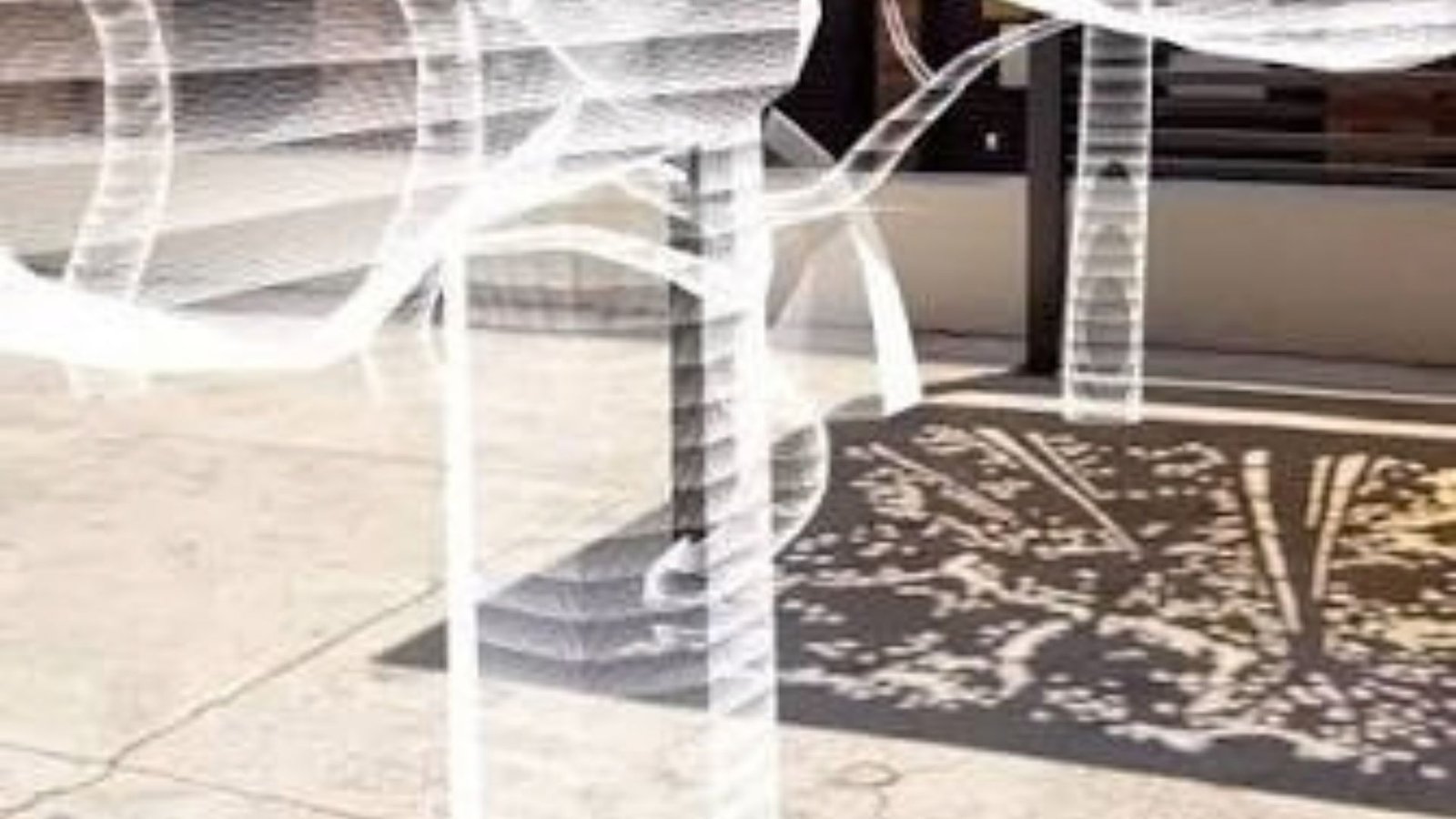
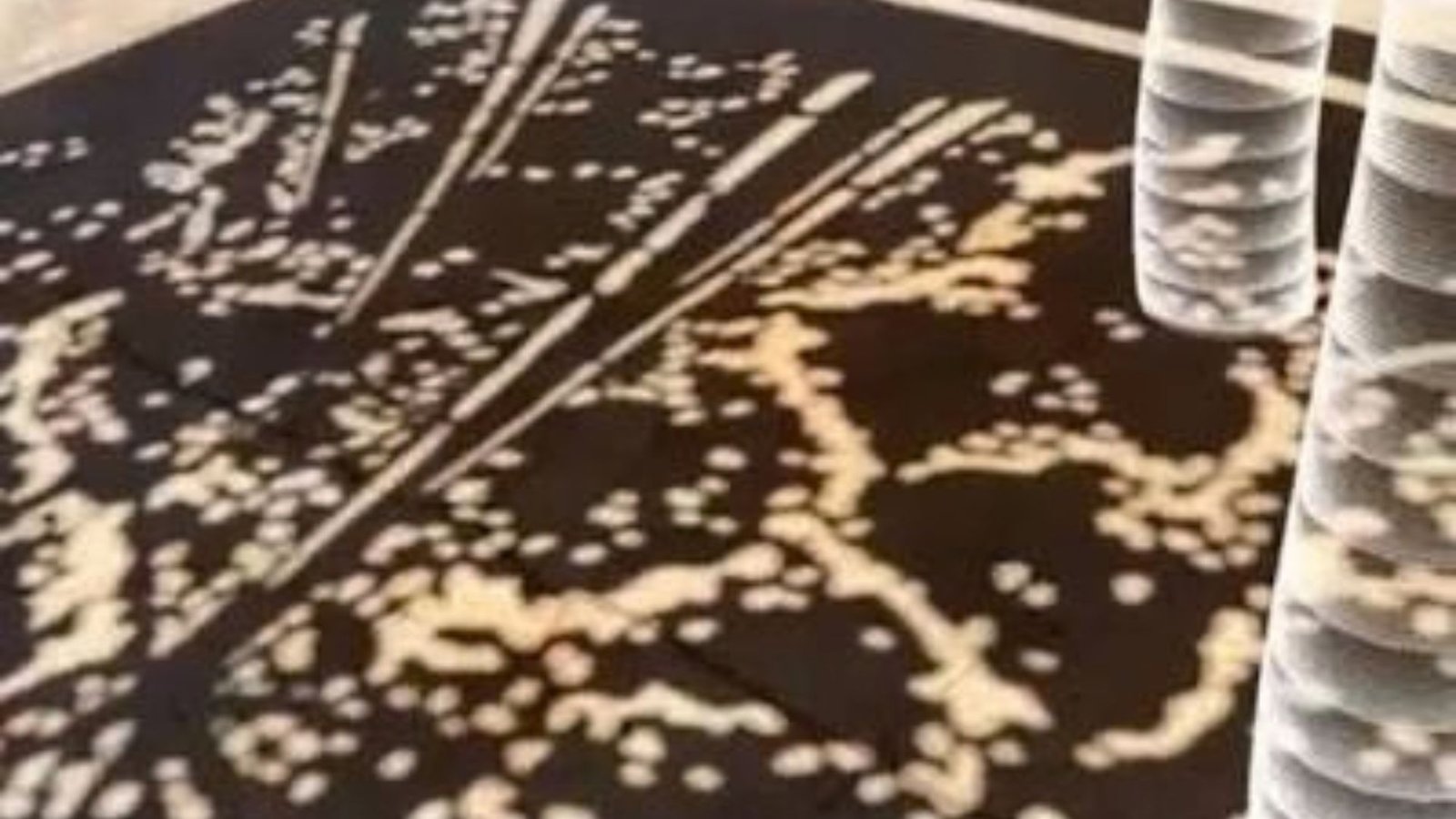
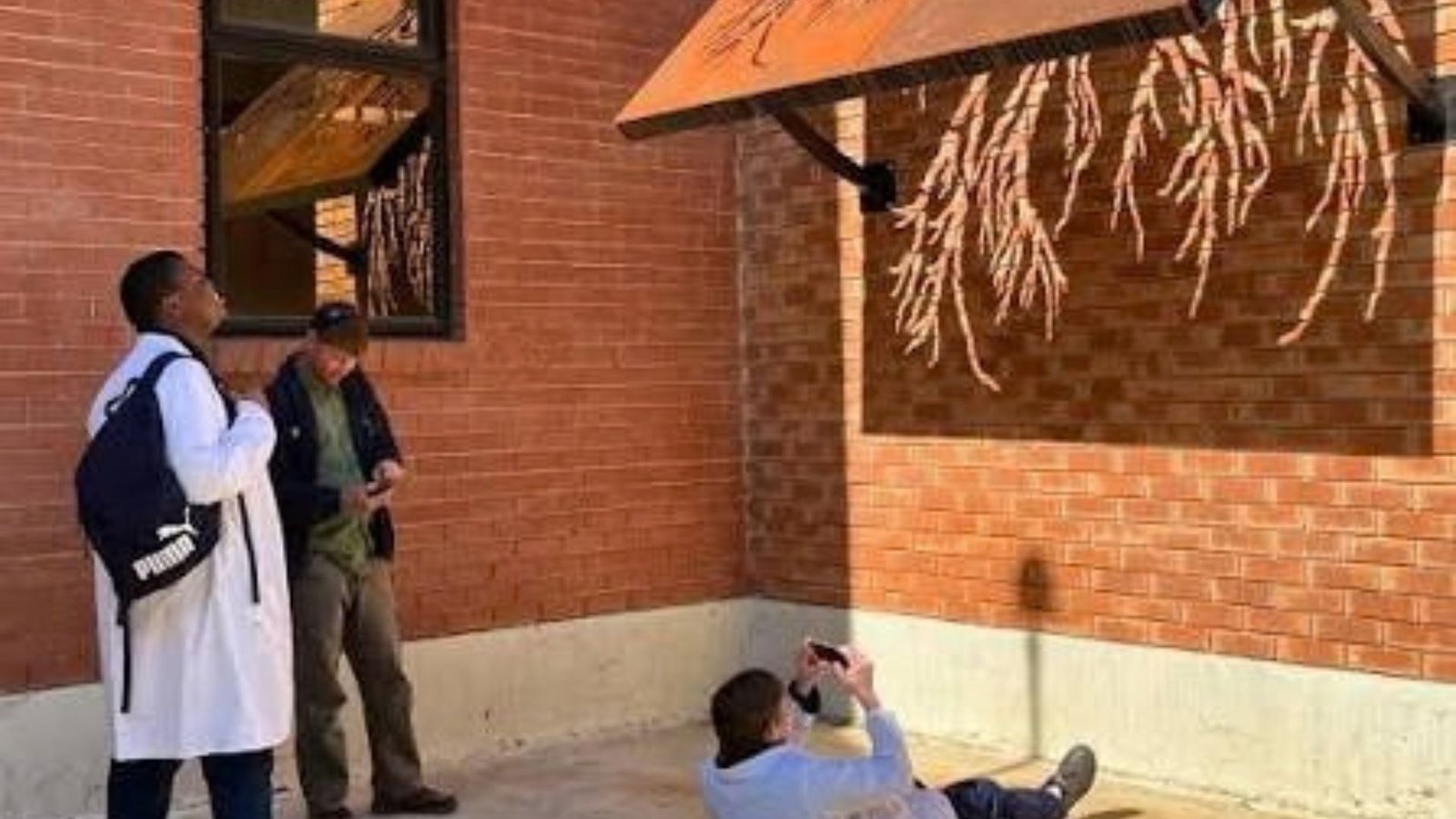
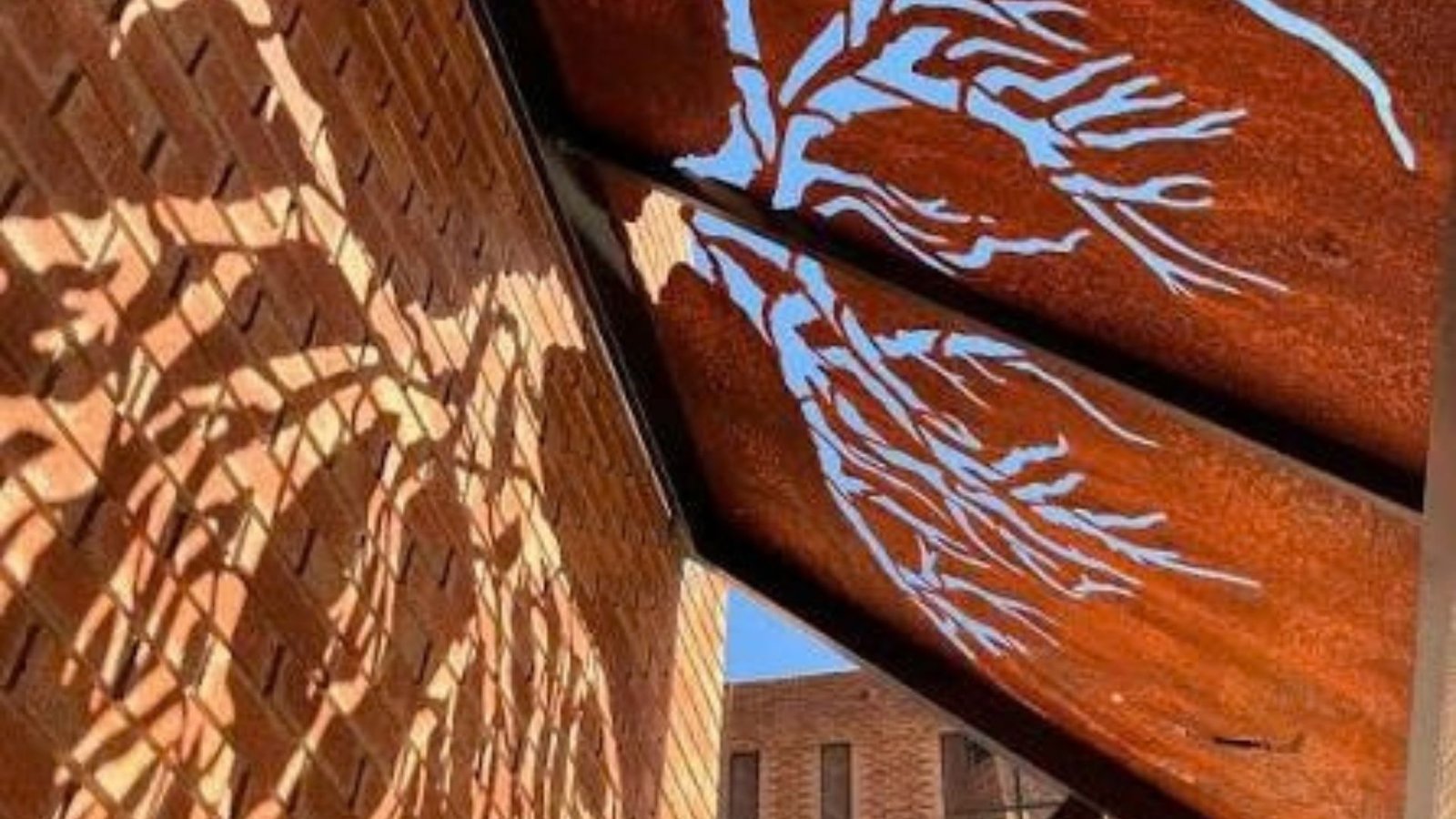
Bridging physical public art and digital environmental science to make the invisible forces of nature visible.
Industry: Arts, Culture & Environmental Education
Services Used: Augmented Reality (AR) Development, Interactive Media, Mobile Integration
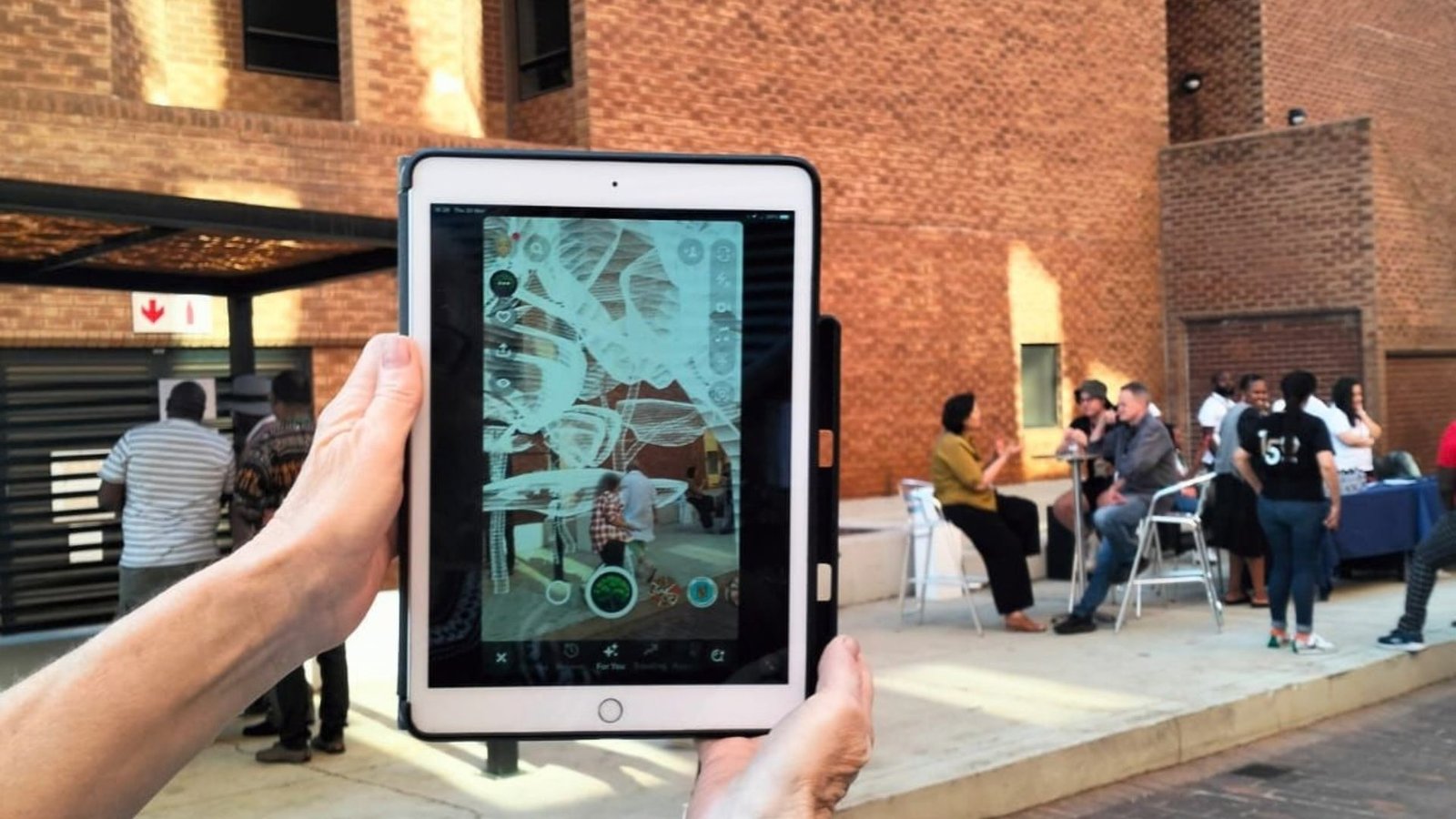
Tech Stack: AR Filters, Lens Studio and 3D Modelling
Collaborators: Marian Hester & Unisa Art Walk Initiative
The Challenge
Complex environmental science concepts, such as solar energy engineering, planetary heating and cooling, plant growth cycles, and “canopy shyness” (the phenomenon where trees of the same height leave space for neighbouring trees), are often invisible to the naked eye. While traditional public art can spark curiosity, adding an interactive, educational layer requires bridging the physical and digital worlds to make these hidden ecological systems tangible and engaging for the public.
The Solution
The Impact
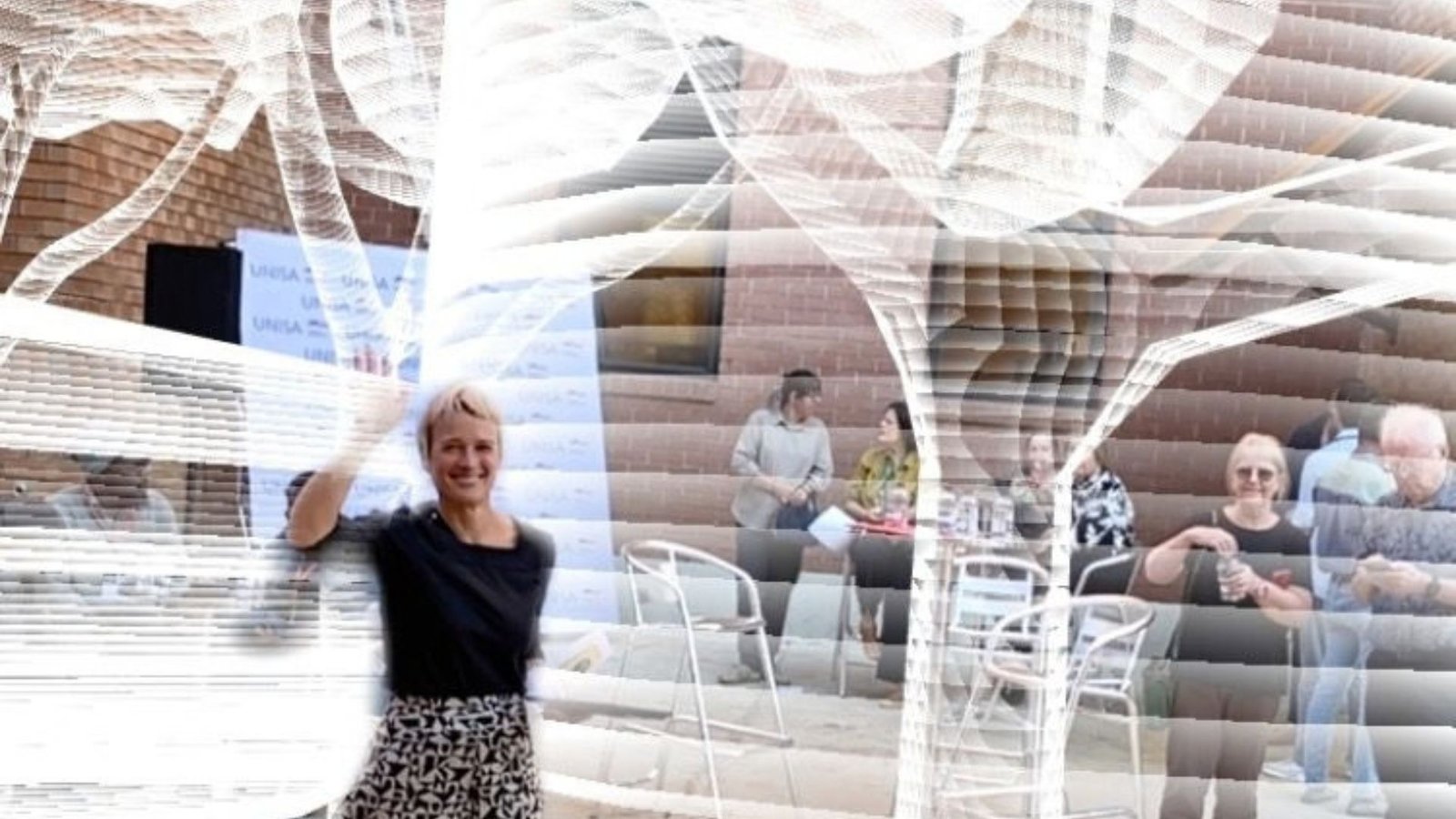
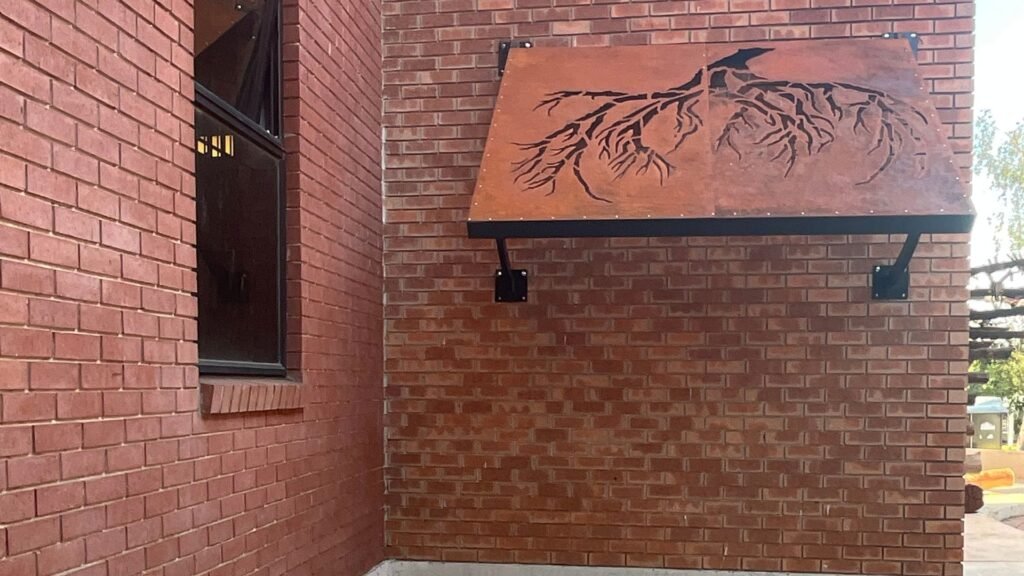
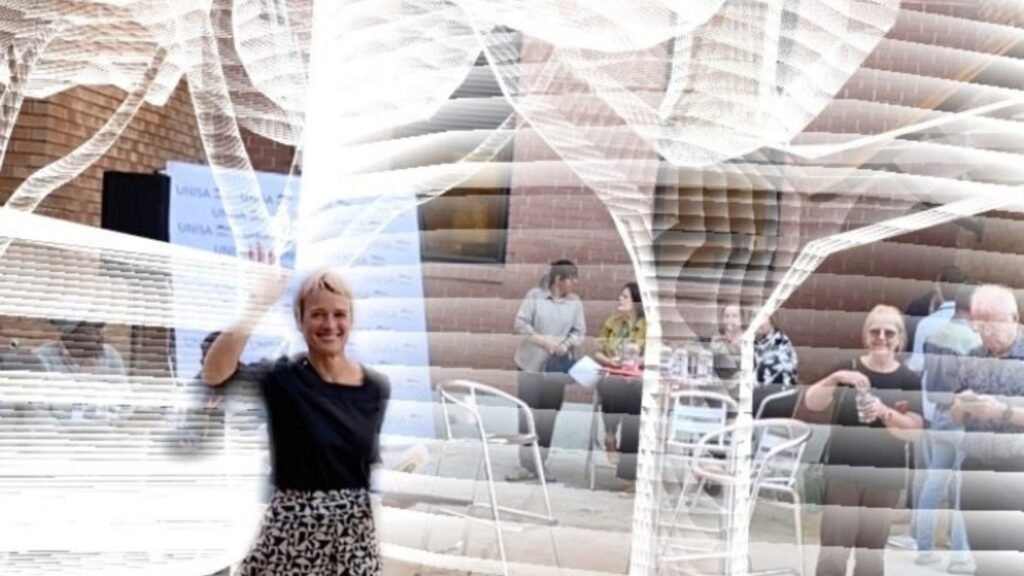
- Making the Invisible, Visible: We gave the public a digital “lens” to see the hidden biological and ecological data (root systems, canopy dynamics, solar angles) that the physical artwork represents.
- Cross-Disciplinary Innovation: We proved that immersive technology can seamlessly merge with fine art and environmental science to create memorable, community-facing experiences.
- Public Engagement: By leveraging technology that visitors already have in their pockets (smartphones), we lowered the barrier to entry, allowing anyone at the Art Walk to instantly engage with complex ecological concepts in a fun, accessible way.