
Keeping the spirit of indigenous games alive for centuries to come
The first thing that comes to mind when I think of indigenous games is the dusty streets of eZwide (also known as eBhayi) in the Eastern Cape, kwaMakhulu wam, as I sat in those same streets playing hopscotch or uMlabalaba with my friends, looking dirty because, of course, we ran away from our homes just to go play outside. We did not even bother to have porridge because all our innocent, playful souls desired was to play whatever game we wanted from morning until evening.
Now I know we are all reminiscing about those simple times when no one had stress about meetings, SARS breathing down our necks, or a war erupting in some part of the world that affects us all as food and fuel prices skyrocket. Let us dive into the matter of this article. We shall walk down memory lane some other time.

Photo cred: Google Maps
Why is it good to keep the spirit of indigenous games alive in a modern, fast-paced world?
Keeping the spirit of indigenous games alive in a modern, fast-paced world is vital, as they provide a holistic approach to well-being that counteracts sedentary lifestyles (which refers to a person who tends to be seated for prolonged periods), preserves cultural heritage, fosters community cohesion, and provides low-cost educational tools.
These games serve as a bridge between the past and the present, offering children a way to connect with their roots while building physical and mental resilience.
Here are a few reasons why it is imperative to keep these games alive:
Combatting Sedentary Lifestyles
In a world overpowered by technology-driven relaxation and reduced physical activity, indigenous games provide a fun and engaging way to promote movement. I do not remember the last time I saw my younger siblings outside in the sun running around, because they are constantly watching YouTube skits for hours on end. As a child, I would have dreaded being in the house all day with nothing but a phone and/or television.
Physical Agility and Fitness
Games such as Kgati (skipping) and Ingqathu (group chase/tag) boost cardiovascular health, agility, coordination, and muscular endurance.
Mental and Emotional Well-being
These activities help reduce stress, improve concentration, and increase happiness through joyous communal play. I remember how happy I was playing outside with my childhood friends, as nothing else mattered in that moment.
Protecting Heritage
Indigenous games are passed down through generations, encoding oral culture, language, and ancestral wisdom. Our grandparents and their grandparents pass down stories of their own childhoods and family histories through storytelling. We get to know the history of our respective families by sitting with elders and playing these games as they tell the same stories for the hundredth time.
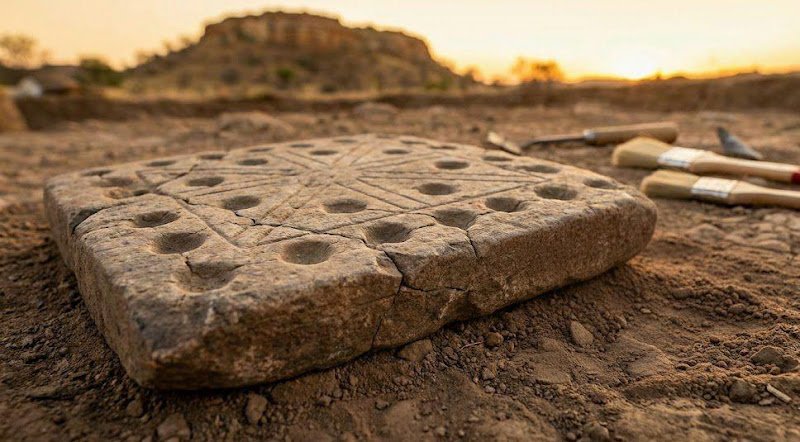
How can we keep indigenous games alive in SA?
We are currently failing to do so, as most families are constantly glued to their smartphones, and the young follow suit, because they think everything adults do is accurate. If I had seen adults constantly looking down at their cellphones as a child, I would have wanted to do the same thing because that would have been my norm.
According to an article by the National Library of Medicine, declines in outdoor play may also be a consequence of an overall reduction in the free time available to children or the growing appeal of indoor, screen-based activities. Recent studies have reported increased daily screen time and augmented electronic media use.
Steps to Keep Indigenous Games Alive
School Integration:
Formally include games like Morabaraba, Intonga, Diketo, and Kati in physical education curricula to teach cultural heritage alongside physical skills.
Community Festivals & Competitions:
Organize local, provincial, and national indigenous game festivals to promote competitive and high-profile events.
Leverage Public Spaces:
Utilize community centres, parks, and safe spaces for regular play, which can also help reduce antisocial behaviour among youth.
Focus on Health and Wellness:
Highlight the physical benefits, such as agility, strength, and coordination, to position these games as valuable, low-cost fitness activities.
How can playing indigenous games benefit the younger generation?
Cognitive and Academic Benefits
Enhanced Learning:
When integrated into schools, these games make learning more engaging and relatable, which can improve literacy and numeracy skills.
Strategic Thinking:
Games like Morabaraba (a board game) develop critical thinking, strategic planning, and problem-solving skills.
Memory and Concentration:
The rules, songs, and required focus of these games help improve spatial memory, concentration, and mental acuity.
Socio-Emotional Development
Teamwork and Communication:
Many indigenous games require collaboration, teaching children the value of communication and teamwork.
Social Cohesion:
They foster social cohesion, friendship, and community bonding, bringing together children of different ages and backgrounds.
Emotional Well-being:
Playing these games reduces stress and fosters resilience, promoting overall mental health.
Discipline and Respect:
They reinforce discipline through rules and foster respect for others and, in many cases, for elders.
Has the Department of Sport, Art and Culture intervened?
Furthermore, the Department of Sport, Arts and Culture has established a structured, and ongoing revival of indigenous games, highlighted by annual provincial and national festivals that serve as crucial instruments for nation-building, social cohesion, and heritage preservation.
Successes in Institutionalization
Annual structure: The games are no longer irregular but are embedded in the annual calendar, with provincial competitions (e.g., in the Free State, Northern Cape) feeding into a major National Indigenous Games Festival held during Heritage Month in September.
Structured games & infrastructure: The DSAC has standardized nine specific codes, including Dibeke, Kgati, Morabaraba, Intonga, and Kho-Kho, enabling formal competition.
Integration with policy: The games are officially part of the Active Recreation Mass Participation Programme, intended to promote healthy lifestyles and cultural diversity, particularly in rural and township areas.
Cross-generational participation: The 2025 festivals saw active involvement from both youth and senior citizens, aiming to transfer traditional knowledge across generations.
Challenges regarding daily adoption
Despite the success of the festivals, reports indicate significant obstacles in integrating these games into daily, widespread, non-competitive life:
Technological Shift: Youth participation is hindered by a preference for, and widespread access to, electronic devices and social media over traditional outdoor games. In this day and age, everyone, and I mean everyone has an electronic device. Remember what I said earlier?
Loss of knowledge holders: The transmission of skills is losing momentum as older generations (knowledge holders) are less involved in demonstrating these games. The younger generation probably does not even show any interest in indigenous games.
Lack of infrastructure/support: There is a lack of structured, daily integration into community life, school curricula, and dedicated, properly equipped recreational spaces for regular play.
Perception issues: There is a need to shift the perception of indigenous games from merely “event-based” entertainment to a routine lifestyle, as they often face competition from Western-centric sports.
Moving forward, the focus remains on ensuring these games become a sustainable part of community life rather than just a, once-a-year, festive event. Read more about the Annual Indigenous Games Festival on the Department of Sport, Art and Culture’s website. Maybe you can learn a thing or two about the nine (9) indigenous games, who knows you may be tempted to attend or even participate.
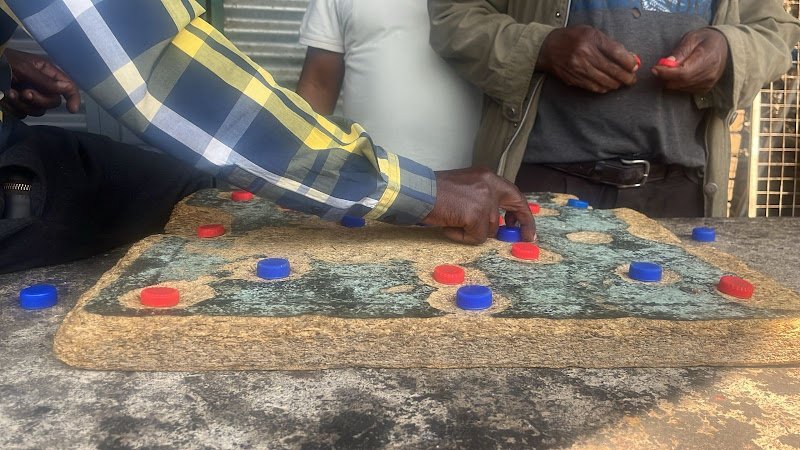
Photo cred: Kutlwano Ramphele
The role of indigenous games in South African culture.
Indigenous games provide cultural preservation and identity, as they are rooted in tradition and pass down stories and social values from older generations to the youth. They represent a “return to roots” and reinforce a unique African identity.
Social cohesion and community building are also fostered, as these games are often played by communities to build relationships, teamwork, and Ubuntu, which is highly valued by South Africans. They are inclusive and often bring diverse groups together.
Economic empowerment also takes place, as the Indigenous Games Festival and local competitions create opportunities for tourism, providing economic benefits to rural areas.
Many games, such as skipping or stick fighting (Intonga), require intense physical activity, contributing to a healthier lifestyle and offering a fun alternative to, or supplement for, conventional sports.
Commonly played games include Diketo (stone-throwing/skipping), Morabaraba (a strategic board game), Intonga (stick fighting), Jukskei (a folk sport), Ncuva (a board game), and Drie-stokkies (a jumping game).
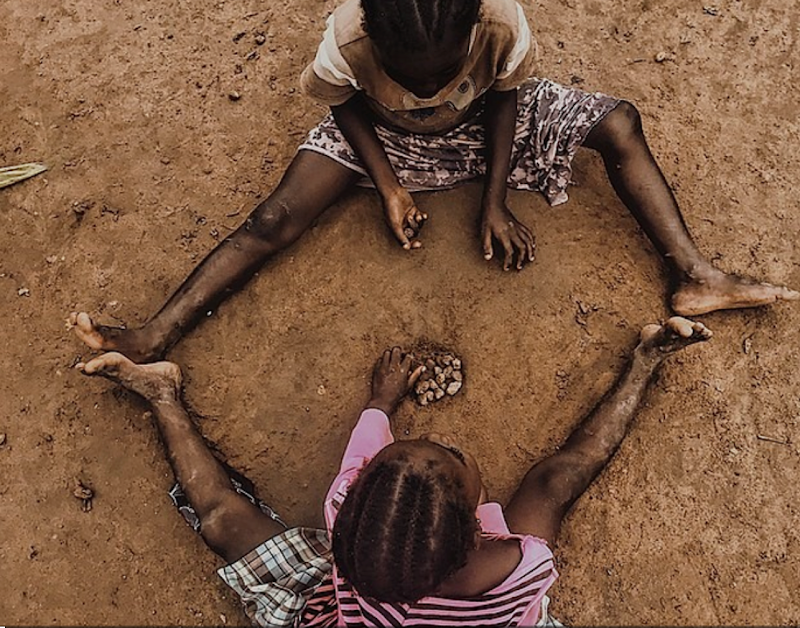
Photo cred: Anand Subramanian on FunTimes Magazine
A Legacy Beyond the Screen
As we stand at the crossroads of a digital explosion and a cultural fading, the choice to preserve our indigenous games becomes more than just a nod to nostalgia; it is a commitment to our future. The dusty streets of our childhood provided more than just a place to play, they were the original classrooms where we learned the values of Ubuntu, the grit of physical resilience, and the sharp strategy of Morabaraba.
We owe it to our elders, whose stories are woven into the rules of these games, and to our children, who deserve a heritage they can touch, feel, and run with. It is time to step back outside, pick up the stones for Diketo, and breathe life back into the past. After all, keeping these games alive isn’t just about remembering where we come from, it’s about ensuring our children have the strength and identity to know exactly where they are going. We shall reminisce again some other time.
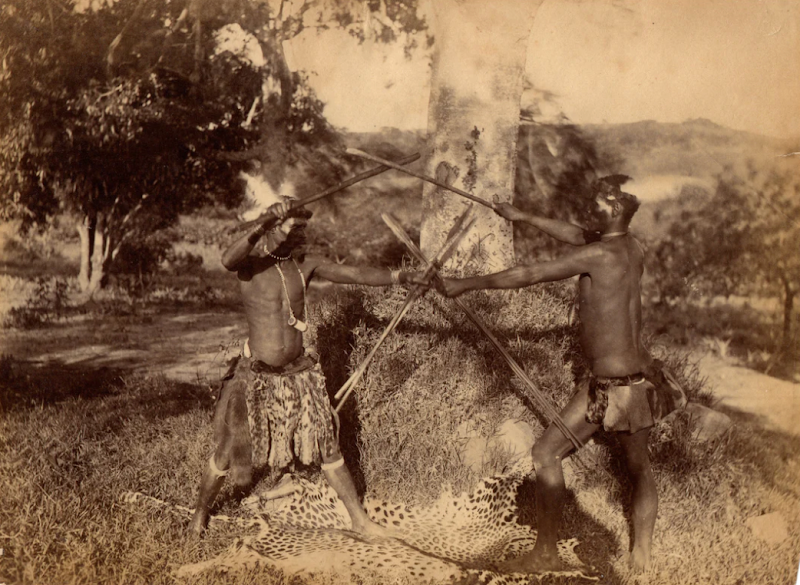
Photo cred: Ian Knight’s Art Gallery
Credits
Writer and Researcher
Usenathi Mputumana
Edited By
Mathoto Hlajuoe
Katleho Lukhelo
Proof Read By
Jessica Lethole
Web Designers
Mandisa Maphumulo