
Casual Gaming in South Africa: The Rise of the Modern Pass-Time
“Are taxi rides taking too long? Don’t worry, there’s a game for that.”
Casual gaming in South Africa didn’t begin with smartphones or digital games/apps. Its history stretches back decades and is deeply connected to everyday social life, local creativity, and community culture. Long before mobile screens became part of daily routines, South Africans used simple, accessible games to pass time, connect with others, and bring fun into ordinary moments.
Traditional Pass-Time Games
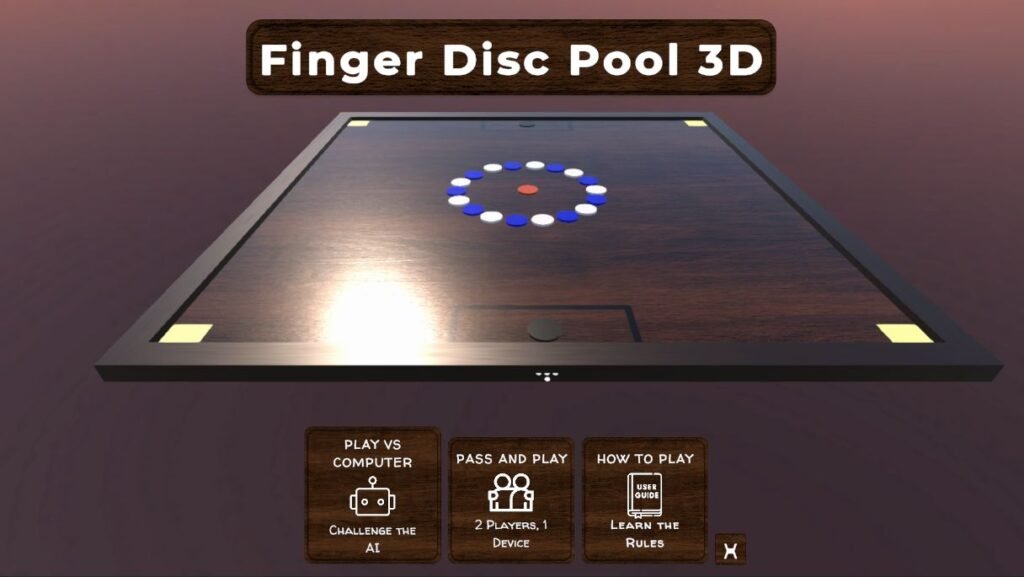
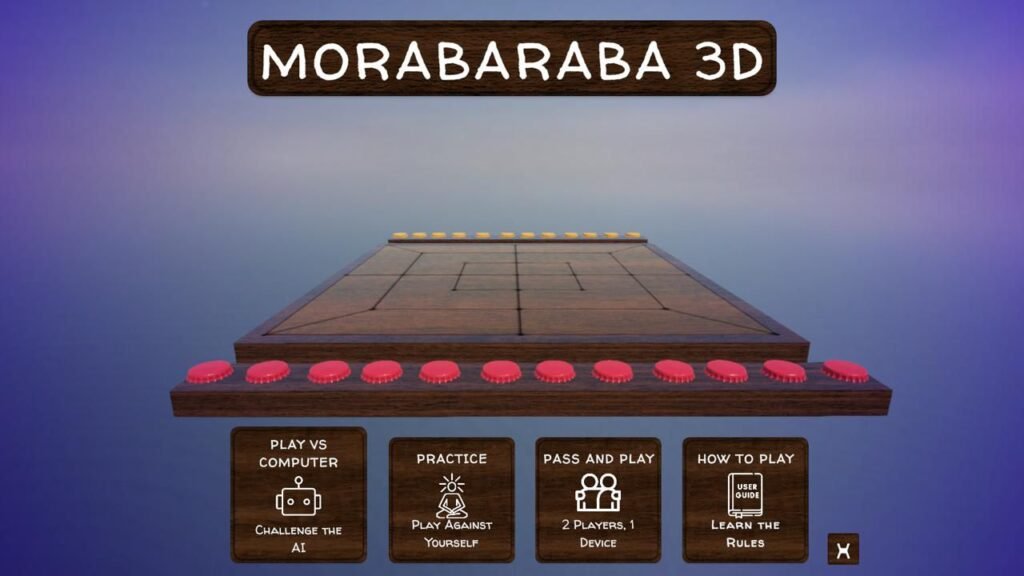
There are a few foundations of our gaming culture, including Morabaraba and Fingerboard, which are strategic and skill-based board games. There are also street challenge games (skateboarding challenges, showing off tricks, and some amazing moves), chalk games (drawing hopscotch or number games on pavements), and hand games such as rock-paper-scissors.
I’m very sure that almost everyone knows this game, the classic decision-maker. You’ll hear people saying, “Let’s do rock-paper-scissors” instead of having a long debate.
Then there are the hand-clapping games , “ahh e yona lae tseba mos”, just make sure you avoid being slapped back!
Lastly, there are card sessions, including Mashashisa and Crazy 8 (some people know it as “Mathotha”). If you lose focus, “o mathateng” (you’re in trouble).
These early games set the tone for a national culture where “gaming” was simply a part of daily life.

A Gaming Culture Rooted in Everyday Life
Casual gaming differs from traditional “hard-core” gaming because it’s simple, accessible, and requires very little commitment. Most popular games can be played on mobile phones, making them perfect for a country where smartphones are the main digital device for the majority of people.
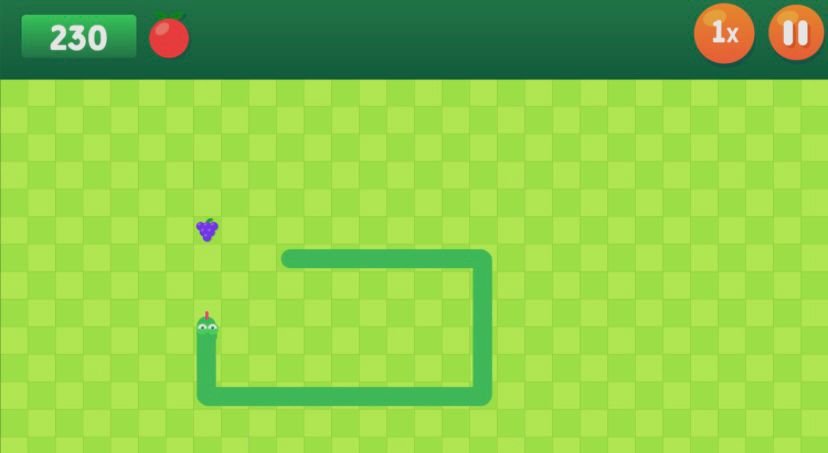
The “Age of Snake” was one of the most popular gaming moments ever. The Nokia era made the Snake game a national obsession. I think we can all agree that we used to play it. It literally needed no data, no Wi-Fi, and no money. That game turned waiting in queues, taxi rides, and school breaks into intense gaming sessions.
“Smartphones turned everyone into a gamer, even people who deny being gamers.”
South Africans often use short bursts of free time throughout the day, and casual games fit perfectly into these small gaps. They don’t demand hours of attention, expensive consoles, or high-speed internet.
A Growing Local Industry
South Africa’s game development community is also expanding. More studios and independent creators are producing games that resonate with local stories, languages, humour, and styles.
The Numbers: A Booming Industry
According to present statistics and future predictions, casual gaming in South Africa is exploding:
- Revenue: The gaming industry’s revenue increased by 52% to R7.3 billion in 2023.
- Connectivity: Driven by 79% smartphone penetration in 2024.
- Player base: A 26-million-strong player base, making it Africa’s largest gaming market.
- Future outlook: The casual, mobile-first market is expected to reach $36 million by 2027, with 47% of gamers aged 14 to 28.

More Than Just a Game
In today’s fast-paced world, casual gaming has become a coping mechanism. Whether it’s passing time during load shedding, cooling off after a stressful workday, or avoiding awkward small talk in public spaces, quick mobile games give South Africans a moment of escape.
They turn boring waits into mini adventures and long commutes into quiet competitions with yourself.
“And let’s be honest: no one passes time like a South African with a phone and 5% battery left.”
If you know you hate awkward small talk while waiting for a taxi, a bus at the station, or standing in a long line at the shops, just get a game on your phone to pass time , “nje, wang tshwara mos?”
It could be Candy Crush or Subway Surfers. Trust me, you won’t regret it.
“If you never played a game while pretending to text… are you even South African?”
“No matter how advanced games become, nothing beats the joy of beating your friend’s high score — especially when you screenshot it.”
Credits
Writer and Researcher
Mathoto Hlajuoe
Edited By
Usenathi Mputumana
Proof Read By
Jessica Lethole
Katleho Lukhelo
Web Designers
Mandisa Maphumulo